Agents.

Lemonade models in OpenCode.
A plugin that asks the Lemonade server what it can actually run and wires it into OpenCode at startup: no hand-written model lists, no guessing at context windows, no vision models that silently can't see.
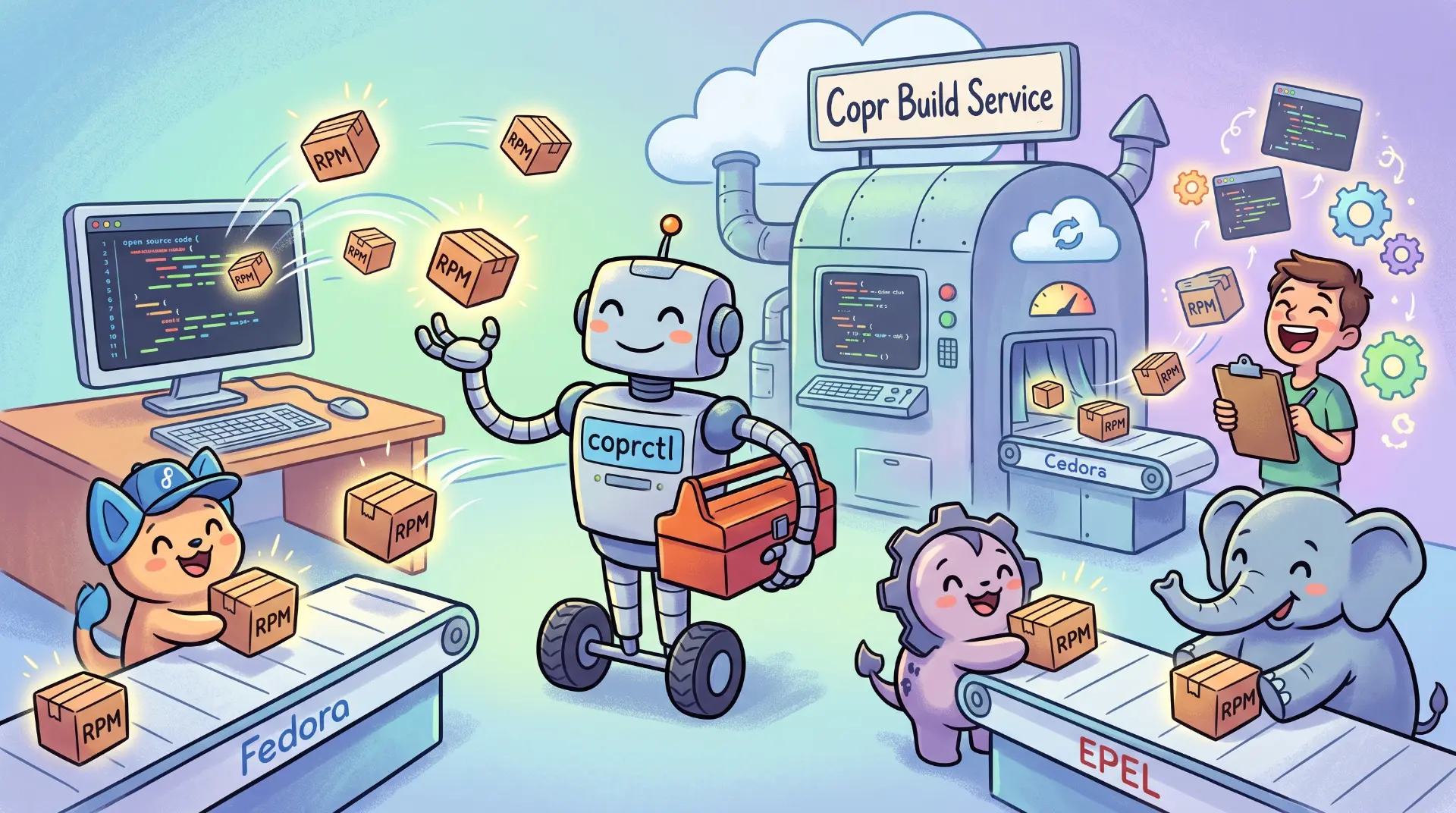
coprctl: a friendlier command line for Fedora Copr
A command line and agent interface for the Fedora Copr build service, and what a full build, fix and debug cycle looks like with it.
Sleep on it
Your agent is an amnesiac. "Dreaming" is the nightly housekeeping that fixes it. Anthropic named it in May; the pattern has been running on my machine, under a less poetic name, since February.

A facade for MCP tools
I wrote this a year ago arguing that the model shouldn't be composing four MCP tools when one function could. Since then Cloudflare and Anthropic shipped code mode, which solves most of what I was complaining about. This is the revision, mostly about the part it doesn't solve.
What a token actually costs
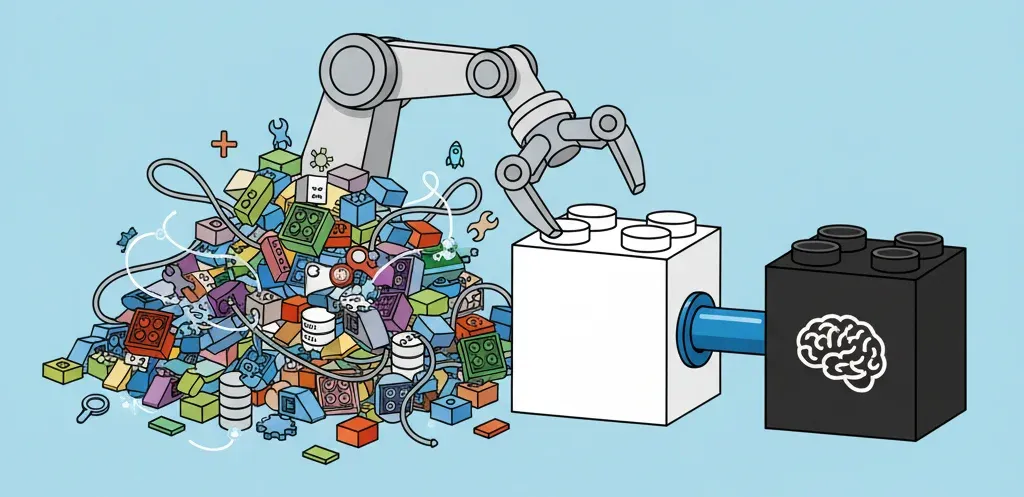
Prices per token keep falling. Bills keep rising. How do you read inference pricing? Which margins are real, which are accounting, and where prices go next.

Field Engineer's Guide to Prompt & KV Cache Tuning
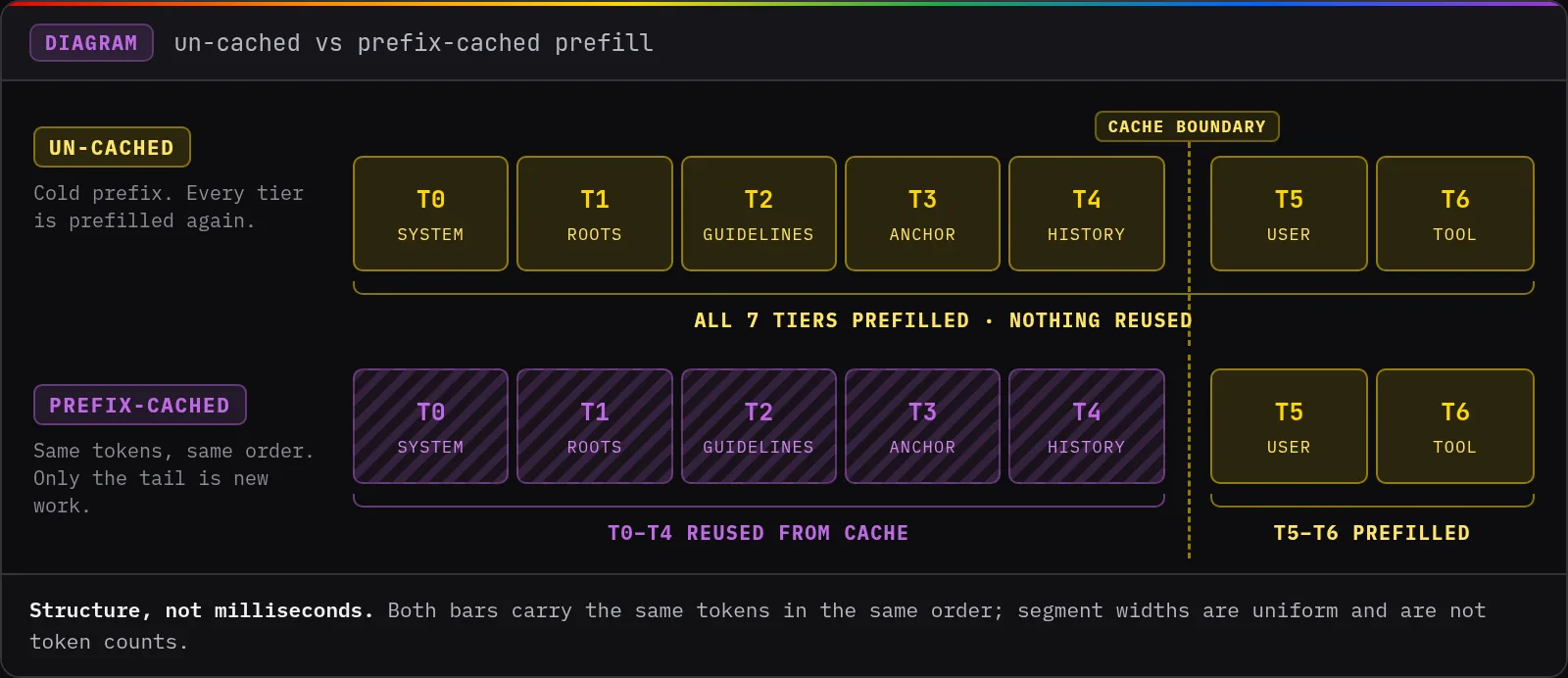
Notes from tuning the prompt behind an Antigravity auto-mode gate. Prefix caches match bytes from the left and give no partial credit, so a label that shifts by one re-prefills the whole payload. The seven ways I broke it, the one still in the code, and the tests that keep them out.
Nobody can tell. Everybody thinks they can.
Notes on how readers decide a piece of writing is human, why they get it wrong, and what to do about it.

No posts match "".